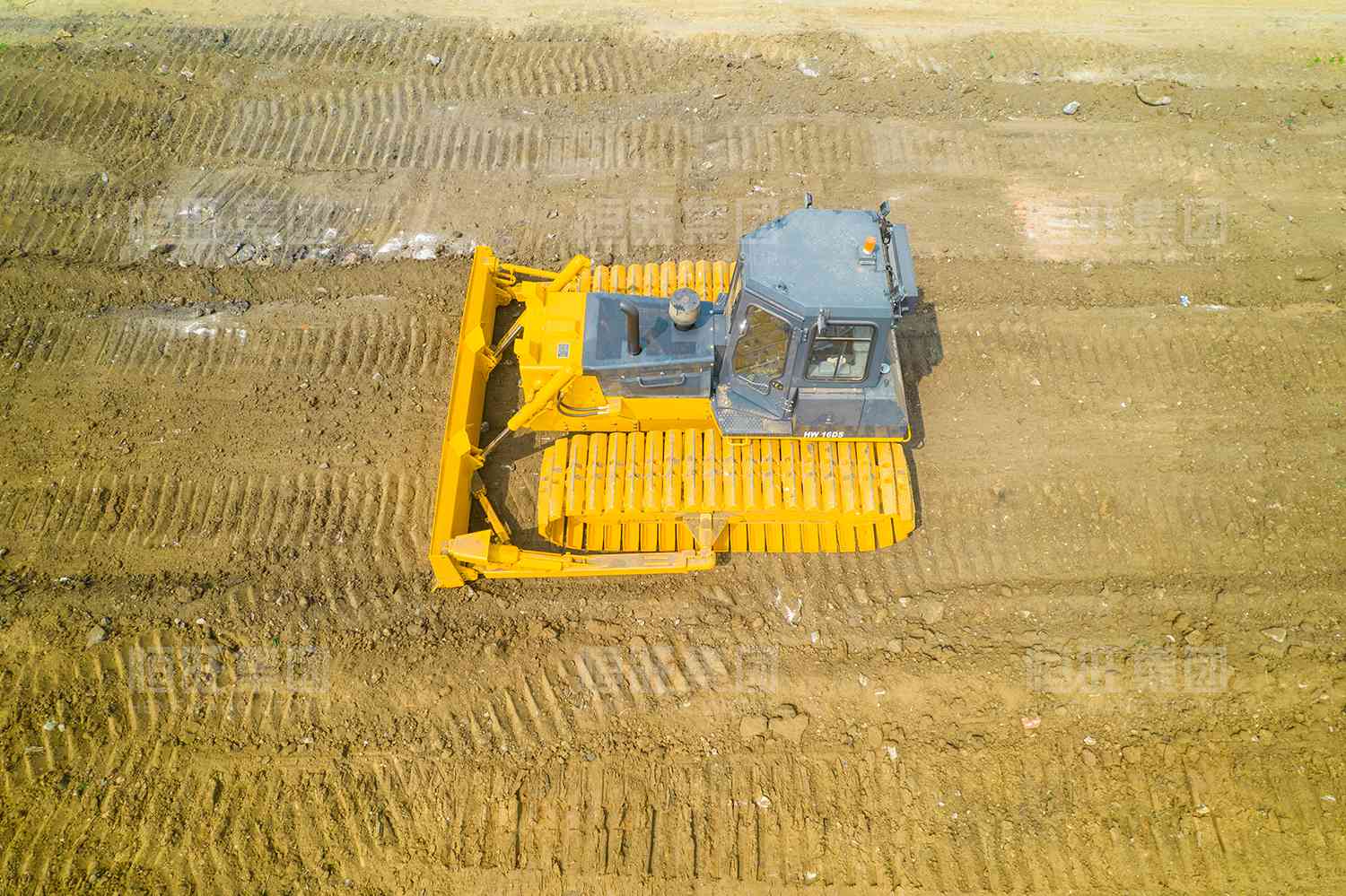
1. Regular Oil and Oil Filter Replacement
Engine oil serves as the primary lubricant for bulldozers, reducing friction and cooling the engine. Replace oil every 250 hours or every three months (based on usage and conditions). Always change the oil filter simultaneously to keep the engine interior clean.
2. Air Filter Cleaning
Dust and debris generated during operation can severely damage the engine if inhaled. Check the air filter every 50 hours, cleaning or replacing it as needed to maintain optimal engine performance.
3. Hydraulic Oil and Filter Inspection
The hydraulic system is the bulldozer’s power core. Replace hydraulic oil according to the manufacturer’s recommendations to preserve system efficiency. Regularly clean or replace hydraulic filters to prevent clogs.
4. Tire/Track Maintenance
Tires or tracks bear the machine’s entire weight and operational force, making them prone to wear. Inspect for damage regularly, replace worn components promptly, and maintain proper inflation pressure (for tires) or tension (for tracks).
5. Battery Care
Keep the battery fully charged to ensure reliable starting. Check voltage levels regularly, clean terminals to prevent corrosion, and disconnect the negative cable during long-term storage to avoid discharge.
6. Coolant System Check
The cooling system prevents engine overheating. Monitor coolant levels frequently, inspect hoses for leaks, and replace coolant periodically to avoid corrosion and thermal failure.
7. Drivetrain Inspection
Examine clutch wear, transmission fluid condition, and driveshaft connections. Address issues like slipping clutches or unusual noises promptly to prevent costly repairs.
8. Bolt and Fastener Tightening
Vibrations from operation can loosen bolts. Regularly inspect all critical fasteners (e.g., engine mounts, blade attachments) and tighten as needed to prevent component failure.
9. Blade Positioning and Edge Adjustment
Ensure the bulldozer blade is properly aligned with the ground to maximize efficiency and minimize edge wear. Adjust blade angle and height according to operational requirements.
10. Hydraulic Temperature and Pressure Monitoring
Excessive hydraulic oil temperature or pressure can damage the system. Use onboard gauges to verify readings stay within the manufacturer’s specified range, and implement cooling measures if needed.
11. Suspension and Shock Absorber Check
Inspect springs, shock absorbers, and suspension links for wear or looseness. A well-maintained suspension system reduces vibration, protecting components and improving operator comfort.
12. Exterior Cleaning
Remove accumulated dirt, mud, and debris from the body, hydraulic lines, and radiators. Regular cleaning prevents corrosion and ensures optimal heat dissipation.
Conclusion
Consistent maintenance—including oil changes, filter cleanings, system inspections, and component care—is the key to keeping bulldozers operating safely and efficiently. By following these straightforward tips, you’ll minimize downtime, extend equipment life, and maximize performance on any construction site.